

When Everyday Movements Feel Harder Than They Should
At Pioneer Therapy, we understand how discouraging it feels when daily activities seem more challenging for your child than for their peers.
Developmental coordination disorder (DCD), sometimes called dyspraxia, affects how the brain plans and carries out coordinated movements.
For children in Chicago, IL, this can mean difficulties with balance, coordination, or motor skills that other children master more easily. Our occupational therapists provide therapy that is personal, purposeful, and powerful, helping children build skills and confidence for everyday life.
Why Developmental Coordination Disorder Matters for Children
DCD is a neurological condition linked to motor planning, not a child’s intelligence. Children with DCD often want to join in play and activities but may feel left out when they cannot keep up.
Tasks like handwriting, sports, or climbing stairs can feel overwhelming. Without support, these challenges may impact self-esteem, friendships, and school success.
However, with the right therapy, children can make meaningful progress and discover their potential.

How Occupational Therapy at Pioneer Therapy Supports Progress
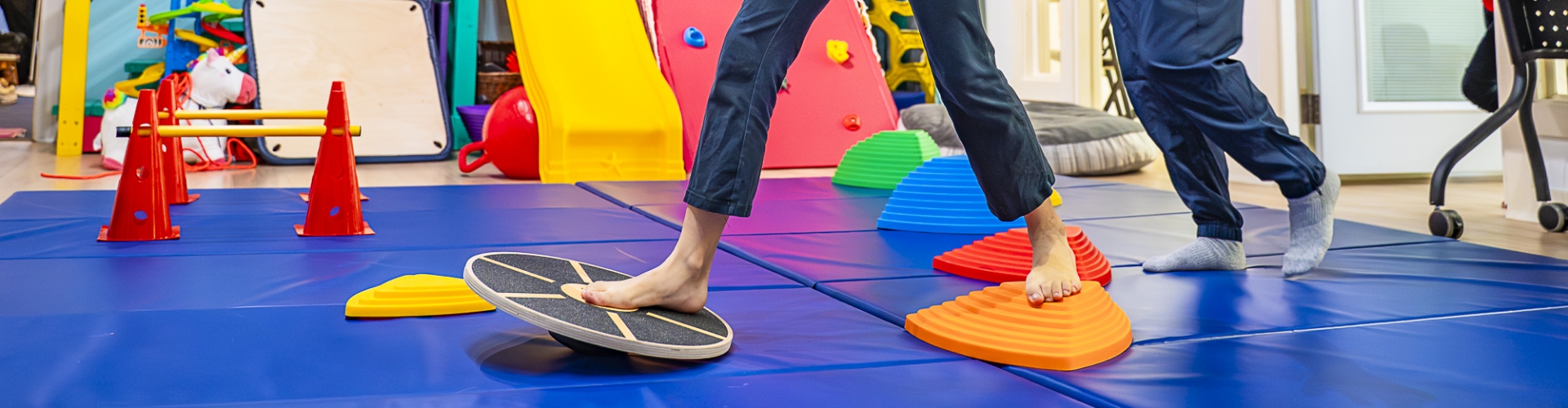
Our therapists design individualized care plans that transform overwhelming tasks into achievable steps. Therapy for developmental coordination disorder in Chicago, IL may include:
- Motor skill training that breaks activities into smaller, manageable parts
- Strength and balance exercises to support control and coordination
- Fine motor and handwriting practice to make school tasks less stressful
- Play-based movement activities that encourage learning in fun, engaging ways
- Family coaching so strategies continue at home and in the community
- Collaboration with teachers to support participation in school activities
By blending skill-building with encouragement, our therapists help children feel capable and motivated to try new things.

What Signs Should Families and Teachers Notice?
Parents and educators may see signs of developmental coordination disorder during schoolwork, play, or daily routines. Common challenges include:
- Clumsiness, frequent tripping, or bumping into objects
- Difficulty learning to ride a bike, catch a ball, or join sports
- Struggles with handwriting, drawing, or using scissors
- Trouble managing buttons, zippers, or tying shoelaces
- Movements that appear awkward, uncoordinated, or poorly timed
- Avoidance of activities that require balance or coordination
When these challenges appear consistently, therapy can give children strategies to move with greater confidence and success.
How Our Team Makes a Lasting Difference
Families in Chicago, IL trust Pioneer Therapy because our therapists focus on potential, not just challenges. We create safe, child-centered therapy spaces where exploration feels positive and progress is celebrated. Guided by our HEART values — Highest commitment to overdeliver, Excellence in growth and learning, Adaptability, Responsibility, and Teamwork — we help children gain independence while giving families practical tools to support growth outside of sessions.

Helping Children Move With Confidence
Children with developmental coordination disorder deserve the chance to thrive at home, at school, and in play. At Pioneer Therapy, we provide therapy that strengthens skills, builds self-esteem, and supports children in becoming confident participants in daily life.
Contact Pioneer Therapy in Chicago, IL today to schedule an evaluation and discover how our team can help your child grow stronger, more coordinated, and more confident.


Frequently Asked Questions
Is developmental coordination disorder the same as clumsiness?
Will my child outgrow developmental coordination disorder?
How can I help my child at home?