
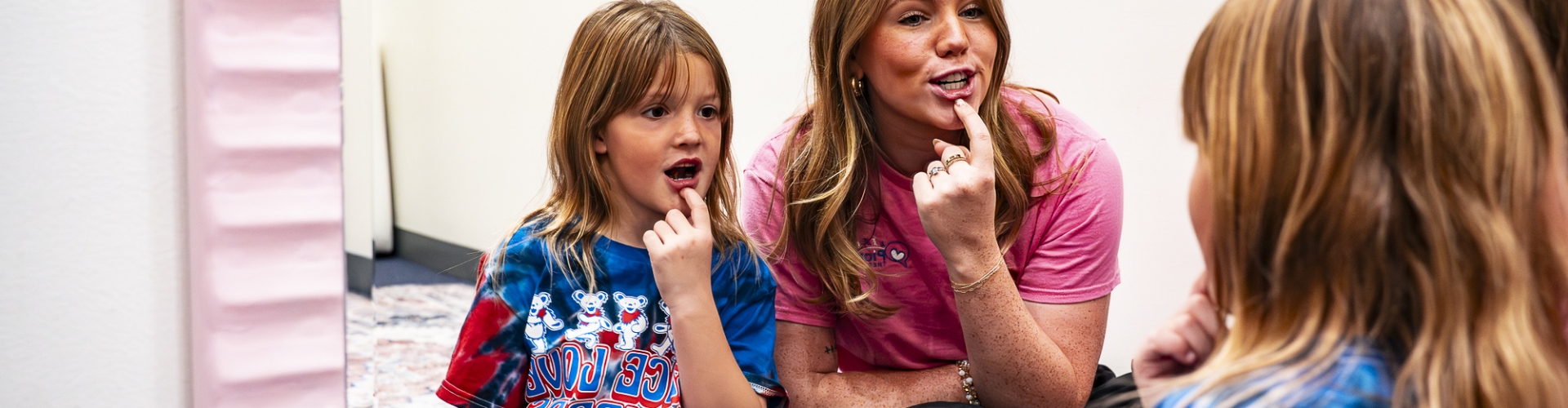

Compassionate Care for Children Who Struggle to Be Understood
At Pioneer Therapy, we know how stressful it feels when your child struggles to speak clearly. Parents often share concerns when their child is difficult to understand at home, in school, or with friends. That is why we provide compassionate care for speech sound disorders in Chicago, IL. Families trust us because we meet every client with heart, guiding children through therapy that is personal, purposeful, and powerful.
Why Is My Child’s Speech Hard to Understand?
A speech sound disorder happens when a child has trouble saying certain sounds or sound patterns. Even though your child knows what they want to say, their words may come out jumbled, unclear, or incomplete.
While some children outgrow early mistakes, many benefit from therapy to develop the skills needed to be understood.
Without help, children may feel frustrated, left out, or less confident in sharing their voice.

What Happens If My Child Does Not Get Support Early?
Speech sound disorders may be linked to hearing differences, developmental delays, oral structure variations, or neurological conditions. Sometimes, no single cause is identified. What matters most is early intervention.
Without treatment, children may:
- Struggle to make friends or join conversations
- Feel frustrated when others cannot understand them
- Fall behind in reading and writing skills
- Withdraw from class activities or play
- Experience lower self-esteem that impacts long-term confidence
Early therapy gives children more time to practice, strengthen communication, and build confidence before these challenges grow into bigger obstacles.
What Signs Should Parents in Chicago, IL Look For?
Every child develops differently, but families often notice signs such as:
- Leaving out sounds in words (saying “ca” for “cat”)
- Replacing one sound with another (“tat” for “cat”)
- Speech that sounds unclear or distorted
- Difficulty with longer or more complex words
- Speech that does not improve while peers become clearer
- Trouble being understood by people outside the family
If several of these signs are present, an evaluation at Pioneer Therapy can help provide answers and a clear direction forward.

How Does Speech Therapy Build Confidence?
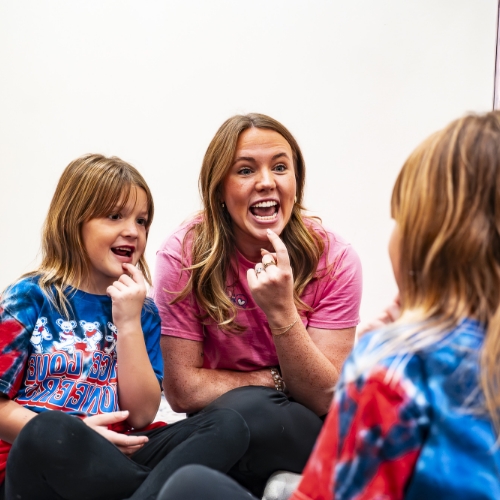
At Pioneer Therapy, therapy is designed to be both effective and engaging. We believe children learn best when sessions are positive and playful. Our approach may include:
- Articulation practice to teach accurate sound production
- Phonological awareness activities that improve sound pattern understanding
- Play-based strategies to help children use new sounds naturally in conversation
- Family coaching so practice continues at home during everyday routines
- Collaboration with teachers and providers to keep progress consistent
Our therapists focus on more than speech skills. We help children gain confidence, independence, and the ability to share their voice proudly in every setting.
How Our Team Partners With Families
At Pioneer Therapy, therapy is not just about practicing sounds but about creating lasting growth. Our team celebrates every success, adapts goals as children develop, and provides strategies families can carry into daily life. Guided by our HEART values — Highest commitment to overdeliver, Excellence in growth and learning, Adaptability, Responsibility, and Teamwork — we create an encouraging environment where children move from frustration to pride in their communication.

Helping Your Child Grow Into Their Strongest Voice
Every child deserves to be understood. If your child shows signs of speech sound disorders in Chicago, IL, our therapists are here to help. At Pioneer Therapy, we provide therapy that is personal, purposeful, and powerful, helping children use their voices clearly and confidently at home, in school, and with friends.
Contact Pioneer Therapy today to schedule an evaluation and discover how our team can support your child’s communication journey.


Frequently Asked Questions
How do I know if my child really needs therapy for speech sound disorders?
How long will my child need speech therapy?
How can I help my child practice at home?